Nairobi Feline Sanctuary is an animal welfare programme of Pendo Earth Foundation (opens an external website), building on more than six years of rescue and community care.
Our work includes trap–neuter–vaccinate–return (TNVR), responsible adoption, the Paka Mkazi resident cat programme, and sanctuary care for animals who need us most.
As part of Pendo Earth Foundation (opens an external website), we bring practical, community-based animal welfare into a wider mission to reduce suffering and help animals, people and ecosystems thrive together.
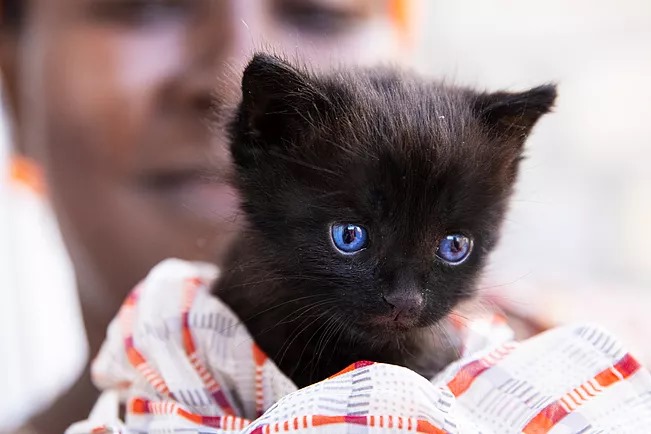
Taking her in was meant to be one act of rescue, but Mew revealed a much larger and largely unseen crisis. More cats followed, abandoned kittens, injured cats, unwanted adults and animals with nowhere safe to recover. Before long, 23 cats were living in the founder's home.
It became clear that individual rescue, however necessary, was not enough. The cats needed a dedicated place where they could receive treatment, recover and live safely while suitable homes were found.
That need led to the opening of Nairobi Feline Sanctuary.
As the number of cats grew, so did the sanctuary’s understanding of the problem. Behind every rescue was a wider pattern: uncontrolled breeding, abandonment, limited access to sterilisation and communities without the information or support required to manage free-roaming cats humanely.
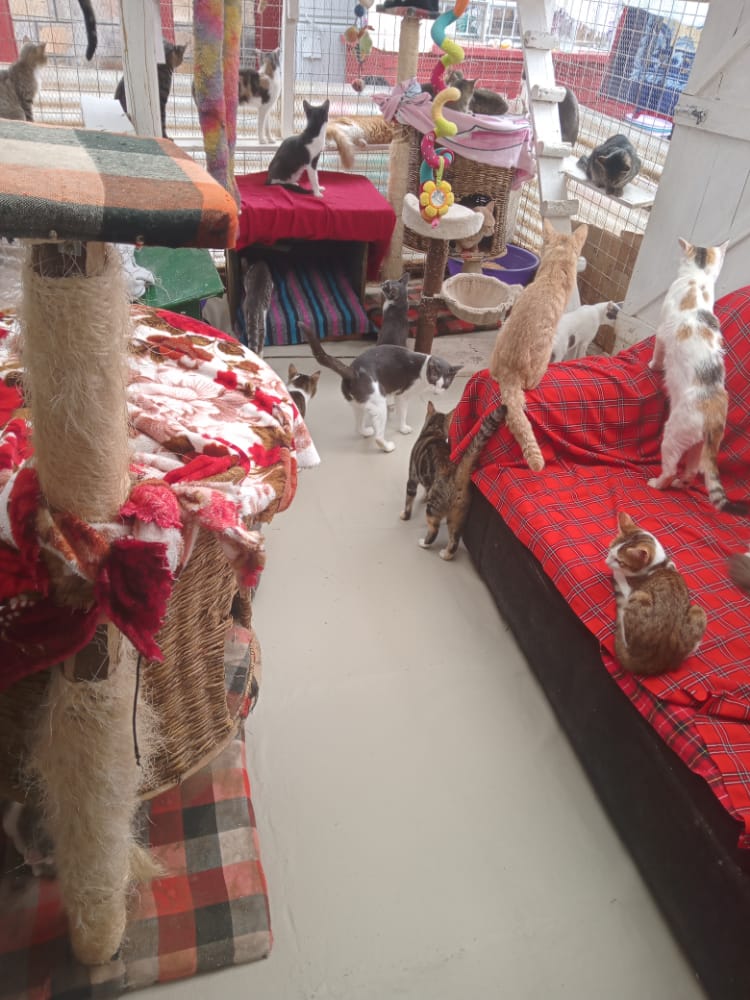
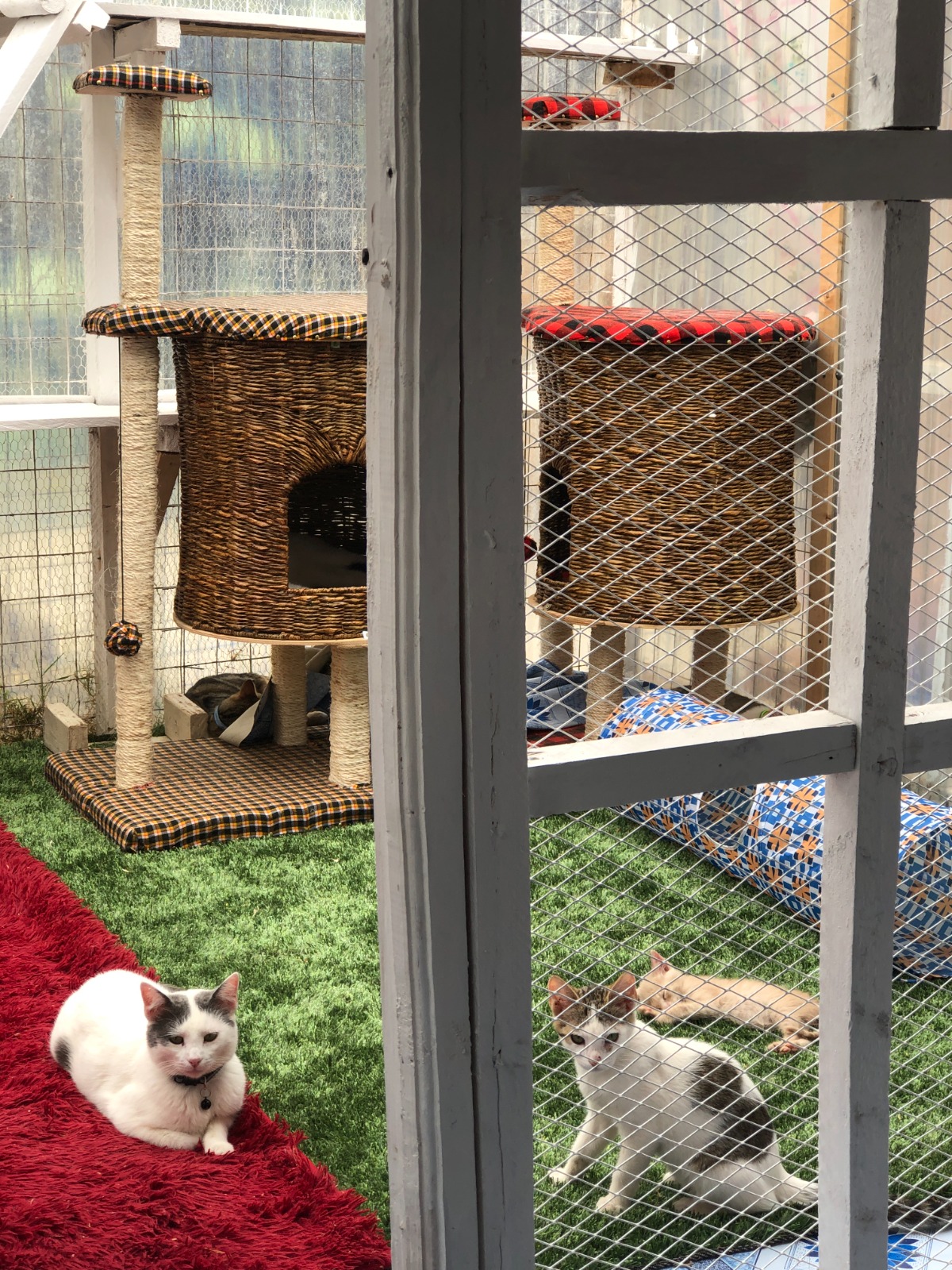
NFS later moved to Riara Ridge, in the Tigoni area, along Nazareth–Limuru Road, Kiambu County, giving the sanctuary’s residents a greener and more spacious environment. Today, more than 200 cats receive food, shelter, medical attention and long-term care at the sanctuary.
But our future is not centred on building an ever-larger shelter.
We believe lasting change requires prevention. NFS is therefore transitioning towards Trap–Neuter–Vaccinate–Return, responsible rehoming, Paka Mkazi resident-cat placements and community education. Our long-term goal is to reduce the number of cats entering shelters by addressing the causes that place them at risk.
Some cats will always need sanctuary, particularly those who are elderly, disabled or unable to live safely elsewhere. For others, the best outcome may be adoption, return to a responsibly managed community or placement in a secure, appropriate and caring resident environment.
What began with Mew remains at the heart of our work: every cat matters, but every rescue should also move us closer to a future in which fewer cats need rescuing.
Meet Our Residents Explore Our Programmes Support Our Work